May 21, 2026
Neurodivergent Burnout vs Depression
As we wrap up Mental Health Awareness Month, we wanted to talk about neurodiversity, mental health and how they relate to burnout.
Oftentimes, neurodivergent people are more likely to have mental health conditions compared to the neurotypical population. This may include diagnoses of anxiety, depression, trauma/PTSD, OCD, and more.
Sometimes neurodivergent burnout or neurodivergent traits are confused with various mental health conditions, and for many late-diagnosed, neurodiverse people, they even receive many misdiagnoses, including depression, bipolar disorder, borderline personality disorder, etc., before medical providers recognize their symptoms as neurodivergence. That is not to say these diagnoses cannot co-occur, but the similarities or overlap can make it challenging to recognize neurodivergences.
While there are several directions this topic can go, we will focus on the differences between depression and neurodivergent burnout for now.
What is Depression?
Depression is a mental health condition that affects a person’s mood. This often looks like intense feelings of sadness, hopelessness, or worthlessness and decreased interest in previously enjoyed activities. Depression also affects a person’s sleep, appetite, ability to engage in self-care/hygiene tasks, and motivation.
What is Neurodivergent Burnout?
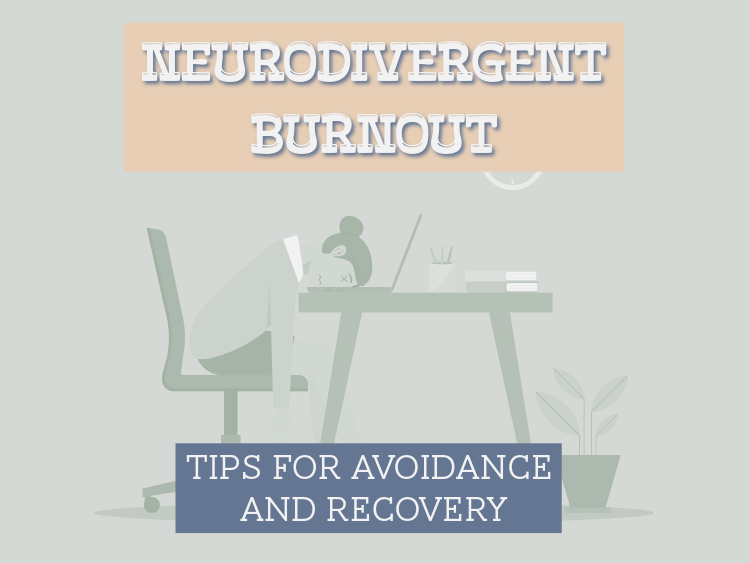
Neurodivergent Burnount is a prolonged period of extreme exhaustion following intense or long-term stress, sensory overload, masking, etc. Common symptoms of neurodivergent burnout include chronic fatigue, increased sensory sensitivities, skill regression or temporary loss of skills, heightened emotions/emotional dysregulation, and engagement in more “neurodivergent behaviors.”
If you are interested in learning more about neurodivergent burnout, check out our blog “Neurodivergent Burnout: Tips for Avoidance and Recovery!” It dives deeper into ND burnout, how it differs from neurotypical burnout, and lots of tips for avoiding it or getting through it!
ND Burnout vs Depression
Based on these definitions, it is easy to see why depression and ND burnout are mistaken for each other or sometimes used interchangeably. However, depression stems from several different factors, such as chemical imbalances, trauma, unexpected and upsetting life changes (e.g., death of a loved one, loss of a job, end of a relationship, etc.), and more. Plus, looking deeper into the presentation of ND burnout and depression symptoms really highlights their differences.
1. Emotional Changes
Depression typically looks like increased sadness, feelings of despair, and a dampening of other emotions, such as happiness, anger, or excitement. Meanwhile, with ND burnout, all emotions are often heightened due to a decrease in the ND person’s ability to regulate their emotions.
2. Interest in Activities/Motivation
With depression, there is usually a decrease in interest and motivation, and to the depressed person, this may feel like they just don’t care about previous interests. In ND burnout, the ND person may have a desire to still engage in preferred activities, self-care/hygiene tasks, or other necessary tasks but feel like they can’t due to fatigue or skill regression. The main difference here is “I don’t want/care to” (depression) vs. “I can’t” (ND burnout).
3. Treatment
Depression usually requires therapy and medication for symptoms to subside. We discuss ND burnout treatment more in our Burnout blog, but symptom reduction usually requires rest, reduced demands and adverse sensory stimuli, support with regulation, and access to preferred sensory input.
While presenting symptoms outwardly seem the same, diving into the causes of each condition and how they feel to the person internally is important for distinguishing the difference between depression and ND burnout. It is important to note that ND burnout can lead to depression, especially if the ND person is in a prolonged or chronic state of burnout.
Final Thoughts
While we do our research for our blog topics, we are not experts or medical professionals, and the information provided in this blog is not medical advice. If you think you may be struggling with burnout or a mental health condition, it is important to reach out to your doctor or therapist to discuss your specific needs.
If you are experiencing a mental health crisis, please call 988 for immediate professional support.
Please remember you are loved, important, and valued! We are so happy you are here and that you show up exactly as you are. Take care of yourself, drink water, eat some food, and take your meds! See ya in the next one.